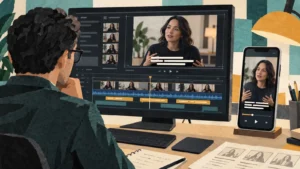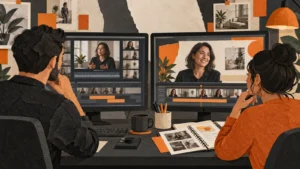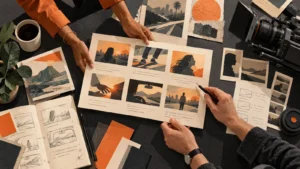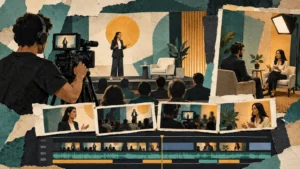
Plan event video for later campaign use by deciding which audience questions the footage must answer, then matching coverage, interviews and delivery requirements to those uses. A recap, a speaker excerpt and a sales follow-up need different material. Agree the priorities before the event so the crew knows which moments need complete coverage and which require a separate conversation.
An event schedule tells the team what happens when. It does not explain what a future viewer needs to understand. Build the filming plan around both documents: the run of show and the intended life of the content afterward.
Start with a future use, then name the evidence
Write down the specific job for each proposed output. A recap may explain the experience of attending. An educational excerpt may answer a technical question. A follow-up video may help a prospect understand what was demonstrated.
For each use, identify the material that would make the message clear. A product demonstration may need the action, the presenter’s explanation and a view of the relevant detail. A lively room shot alone cannot provide all three.
Add these requirements to the video production brief. Avoid promising a content library without defining the audience, intended channels and kinds of material it should contain.
Separate complete sessions from short campaign pieces
Recording a talk and making a short standalone explanation are different assignments. A complete session needs continuity and intelligible sound. A short excerpt needs enough context to make sense to someone who was not in the room.
Flag the sessions and moments that need continuous recording. Then identify any additional coverage needed for shorter edits: the product being discussed, an approved slide or an action the speaker refers to. Ask the production team how the venue, schedule and available crew affect those priorities.
If two important moments happen at once, resolve that conflict before filming. A priority list should tell the team what takes precedence rather than assume one camera can cover both rooms.
Schedule interviews that answer something specific
A busy event can provide access to people who are difficult to gather again. If interviews are part of the plan, agree the participants, questions, time and a suitable recording area beforehand.
Ask about a concrete experience or decision. For a hypothetical product launch, a useful question might be what the demonstration helped the participant understand. Do not assume a general reaction will support a particular product claim.
Our guide to customer testimonial video production explains how to keep an interview grounded in the participant’s actual experience. Confirm intended use and required permissions with the responsible people rather than assuming attendance settles those questions.
Keep context attached to the footage
Record names, roles, session titles and relevant asset references accurately. Tell the editor which statements or materials still need review. Keep an excerpt connected to its source session so the team can check what came before and after it.
When shortening an answer, review whether the edit preserves the meaning and any qualification. The goal is a useful standalone explanation, not a sentence made more dramatic by losing its context.
Scope the delivery before the event ends
Agree which finished pieces are required, their formats, deadlines, caption needs and review owners. If rapid delivery is requested, ask what preparation, staffing and approval access it requires. Do not treat a short turnaround as automatically included in event coverage.
Discuss the deliverables with the video editing team. Include the source-media handoff in that conversation. Our editing handoff checklist covers the supporting information an editor needs alongside the footage.
Organize material by session and subject, with a clear record of restrictions and outstanding checks. A large folder is only useful if someone can identify what it contains and whether it is ready to use.
How will we know the event content was useful?
Choose measures that match each output’s purpose. An educational clip and a registration campaign may need different evaluation. Our campaign measurement guide explains why attention alone does not establish business impact. Avoid attributing later sales to the video without evidence supporting that connection.
Can existing event footage become campaign content?
Possibly. First review the recorded material, sound, context and permissions against the intended use. Ask what it can honestly communicate before deciding on the edit. Missing explanations or demonstrations may require additional recording.
Email brian@boltworldwide.com with the event schedule and the uses you want the footage to support. Plan the future pieces while you can still plan the coverage.